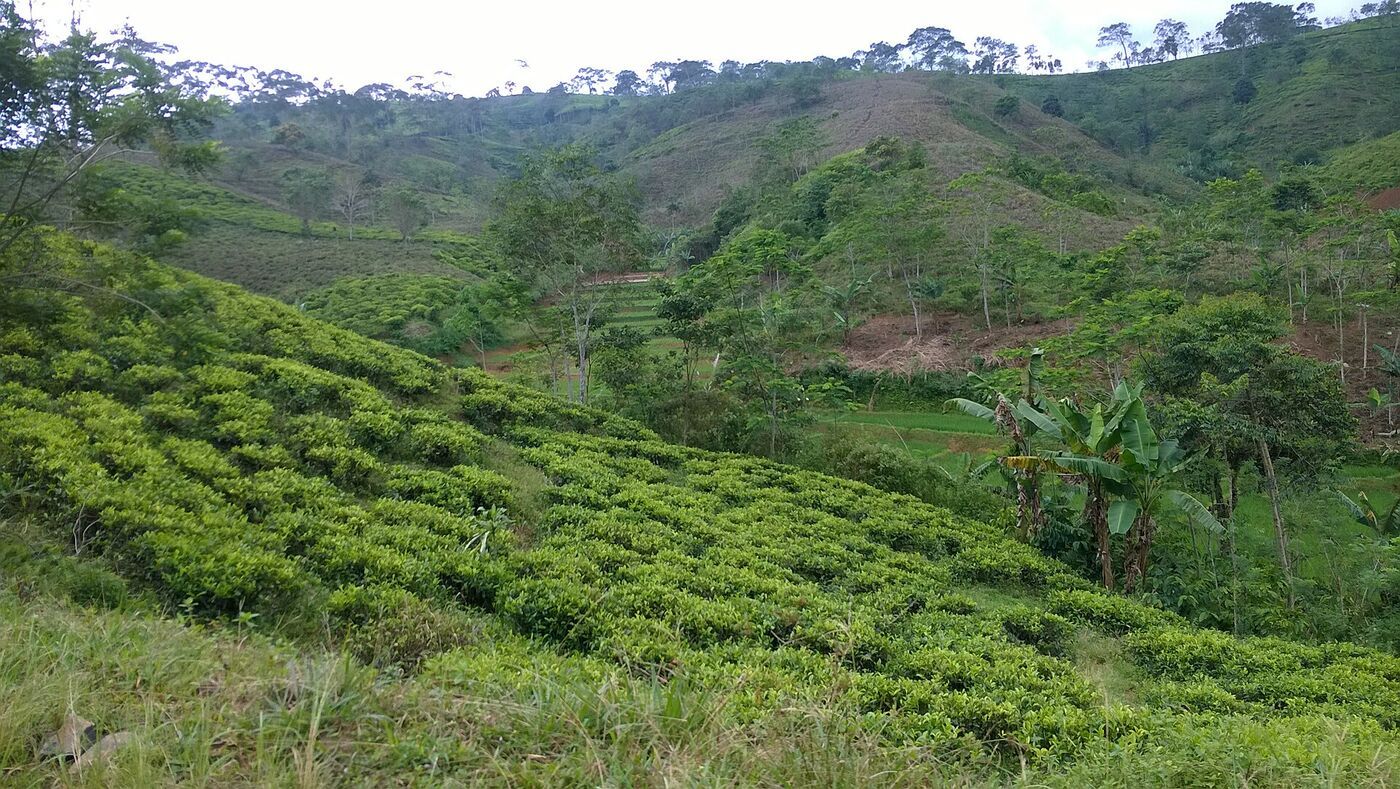
Long before the pharmacy, there was the garden and the forest. Jamu — Indonesia’s traditional herbal medicine — is still made and drunk daily across Java, and West Java’s Sundanese culture has its own deep knowledge of which leaf, root and bark does what. A guided medicinal-plants walk near Bogor turns that heritage from folklore into something you can smell, taste and take home.
What jamu actually is
Jamu is a living tradition of herbal tonics, blended and brewed from roots, rhizomes, leaves, bark and flowers. Some recipes are centuries old; the jamu gendong seller carrying her bottles through the neighbourhood is still a familiar Bogor sight. It is not mysticism — much of it is grounded plant chemistry that modern science is busy confirming.
The plants you will meet
A good walk introduces the workhorses of the jamu cabinet, and you will never look at your kitchen the same way again.
- Kunyit (turmeric) — the golden anti-inflammatory root at the heart of jamu
- Jahe (ginger) — warming, for digestion and cold, wet Bogor days
- Temulawak (Javanese ginger) — a bitter tonic prized for the liver
- Kencur (aromatic ginger) — sharp and fragrant, for coughs and energy
- Sereh (lemongrass) and forest leaves whose names your guide will teach you
From leaf to glass
The best walks end at a bench with a mortar and a pot. You will pound fresh turmeric and ginger, press and strain, sweeten with palm sugar and a squeeze of lime, and drink your own jamu still warm. Bitter, bright, earthy — it tastes like the landscape it came from, and it is a taste worth acquiring.
Foraging with respect
Ethnobotany comes with responsibility. Wild-harvesting medicinal plants can strip a forest if it is done greedily, so the tradition has its own etiquette: take only what you need, never the last plant, and favour cultivated herbs over wild ones for anything you use regularly. A good guide grows most of what they demonstrate — which is exactly how it should be.
Getting there from Bogor
This is one of the easiest eco-experiences to reach. The Bogor Botanical Gardens (Kebun Raya) hold a renowned medicinal-plant collection right in the city, and herbalists and eco-farms in the surrounding villages run walks within an hour of the centre. Ask at HEBE Hostel and the staff can point you toward a genuine herbalist rather than a tourist re-enactment.
Heritage worth keeping
Jamu knowledge lives in people, not books, and every generation that does not learn it loses a little. Spending a morning with a Sundanese herbalist — buying their jamu, learning their plants — is a small act that keeps a centuries-old, low-impact, plant-based tradition alive and valued.
Pound your own turmeric, strain it, drink it warm — you will taste why Java never entirely traded its garden for the pharmacy.